Home What We DoIntegrated SolutionsSmart Transportation Solutions
Intelligent Passenger Service System
  • Intelligent Passenger Service Platform

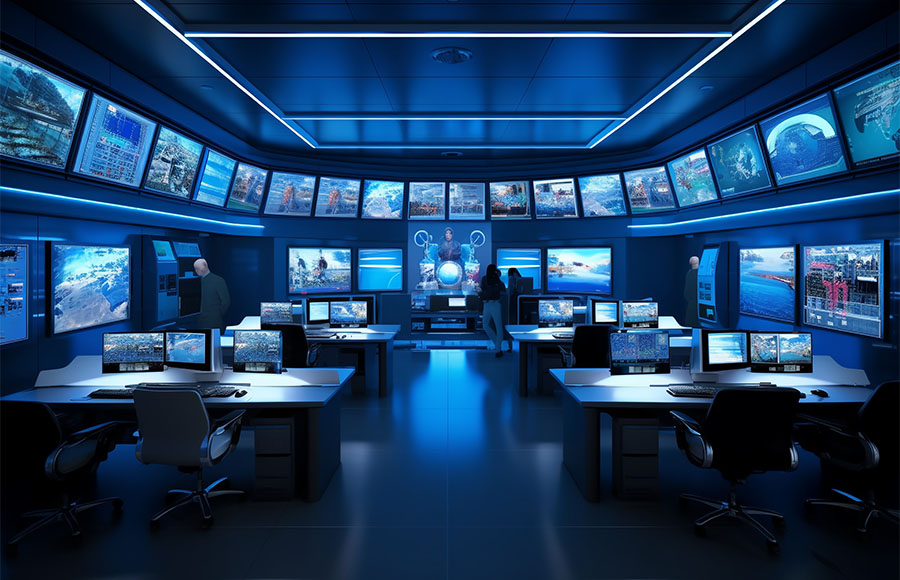
    The intelligent passenger service platform is built on the Internet of Things, cloud platform, and big data analysis framework. It integrates various data types, including passenger flow, environmental conditions, passenger behavior, equipment operation, weather, major events, service hotlines, passenger survey feedback, and public opinion monitoring. By employing multi-source data fusion analysis, large language model, and digital human interaction technologies, the platform provides central and station-level operational personnel with functions such as overall passenger flow status, environmental monitoring, comfort assurance, passenger behavior tracking, comprehensive information guidance, and expert decision-making analysis. This leads to safer, more punctual, comfortable, and convenient travel experiences, fully improving passenger service levels and satisfaction.
  • Smart Security Check System

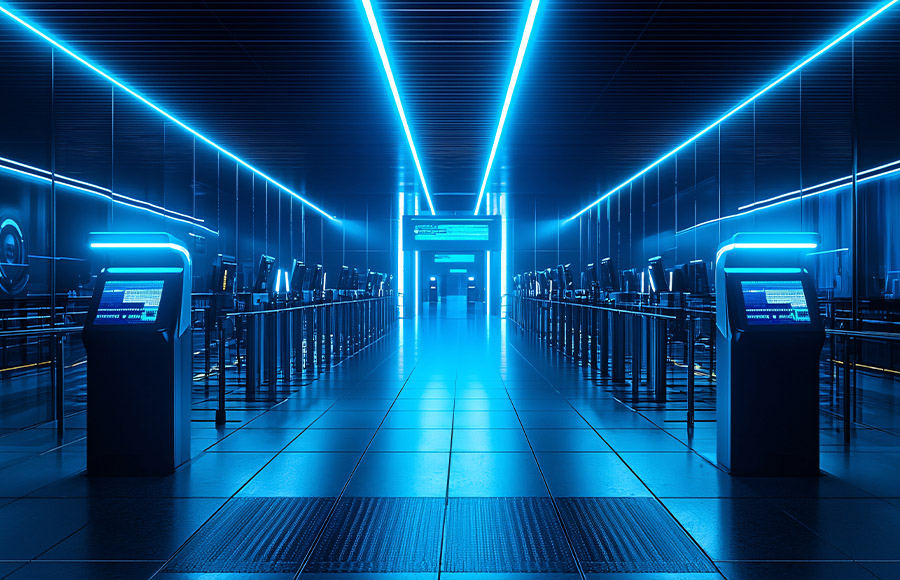
    The smart security check system utilizes advanced technologies such as the Internet of Things (IoT), big data, and artificial intelligence (AI), which are creatively integrated into security check scenarios. With a focus on "intelligent object recognition, intelligent human recognition, and real-time monitoring", this system meets the large flow security check requirements of "non-perception, high throughput, and fast passage". It transforms traditional isolated security checks into a digital and intelligent security check process, ensuring passenger safety, enhancing the efficiency of security inspectors, and reducing operational costs for metro companies.

  • Flow Monitoring & Prediction System

    The passenger flow monitoring & prediction system utilizes multi-source data fusion technology, incorporating AFC flow data, video analysis data, and mobile Internet tracking data. With a focus on "real-time status perception, dynamic risk assessment, and intelligent early warning control," the system addresses the need for a comprehensive, high-precision, and responsive safety framework for managing large passenger flows. It facilitates the transition from decentralized and empirical approaches to a digital and intelligent method of passenger flow management, effectively enhancing throughput efficiency at stations, optimizing network capacity allocation, reducing operational safety risks, and lowering operating costs.

  • Expert Analysis System

    The expert analysis system integrates IoT perception, big data analysis, and artificial intelligence decision-making technologies to create an intelligent decision-making system with "intelligent situational assessment, intelligent strategic matching, and closed-loop optimization" as its core capabilities. By systematically combining industry specifications, equipment manuals, historical cases, and technical standards, a structured knowledge base and knowledge graph are developed. This foundation supports the creation of an advanced model that quantifies and evaluates passenger flow status, environmental comfort, and equipment service capabilities. By real-time monitoring of critical elements, automatic identification of anomalies, and dynamic optimization of control strategies, it effectively supports complex decision-making scenarios, thereby significantly improving service safety and efficiency and reducing overall operational costs.

  • Emergency Passenger Command System<

    The Emergency Passenger Command System integrates IoT perception, multi-source data fusion, and intelligent decision-making technologies. Its core principles, "accurate perception, intelligent decision-making, and collaborative management", aim to achieve emergency response goals like rapid response, dynamic scheduling, and efficient evacuation during crises. This system breaks away from traditional manual dispatch modes by establishing a digital twin for emergency command at the network level, thereby significantly enhancing passenger safety and operational recovery efficiency in scenarios such as large passenger flows, equipment failures, and natural disasters.

  • Comprehensive Video Analysis System

    The comprehensive video analysis system utilizes advanced computer image analysis technology and sophisticated algorithms such as deep learning to automatically detect and alert on behaviors and events that violate established rules in various train and station scenarios. This alarm information aids decision-making and dispatching, alleviates the workload and stress on operators, enhances the level of operational automation, and ensures passenger safety

  • Intelligent Passenger Service Dispatch System

    The intelligent passenger service dispatch system integrates emerging technologies such as cloud platform, cloud computing, big data analysis, and artificial intelligence. It builds an intelligent multi-business collaborative passenger service hub, transforming urban rail passenger services from a "passive" mode to an "active and precise" mode. This transformation aims to ensure travel safety, improve service level, reduce costs, and increase efficiency. This system is deployed in the passenger service center of the road network or at line centers. It has functions such as passenger information services, call-for-assistance services, demand responses, and data statistical analysis, creating a comprehensive and intelligent service ecosystem that meets passenger needs and is oriented towards operations.

  • Intelligent Passenger Service Terminal

    The intelligent passenger service terminal incorporates advanced technologies such as artificial intelligence, voice recognition, knowledge graphs, and the Internet of Things (IoT). It seamlessly integrates various functions, including intelligent ticketing, customer service support, and information queries. This system facilitates tasks such as ticket processing, ticket information inquiries, voice-assisted queries, one-touch assistance, and accessing metro-related information, which alleviate the workload of customer service personnel, enhance the passenger travel experience, support a comprehensive range of services, effectively address passenger concerns, and deliver intelligent, personalized service solutions.

Smart Station
  • Smart Station

    The construction of smart stations marks a significant milestone in the intelligent transformation of rail transit. By leveraging technological innovation, smart stations drive advancements in passenger experience, operational efficiency, safety systems, and management decision-making, aiming to control personnel, reduce costs, and enhance efficiency. As a result, the overall safety level and personnel efficiency are improved, service capabilities are elevated, and the passenger travel experience is significantly enhanced, contributing to the creation of smart cities.

Smart+
  • On-board Cloud Platform

    Guided by the development of smart urban rail, artificial intelligence and edge cloud platform technologies are becoming increasingly sophisticated. With new intelligent applications in perception, operation & maintenance, and analysis, coupled with the enhancements provided by the train edge cloud platform, smart trains can expand across multiple metro lines, offering more efficient, safer, and more convenient travel for the public.

  • Pantograph Intelligent Analysis System

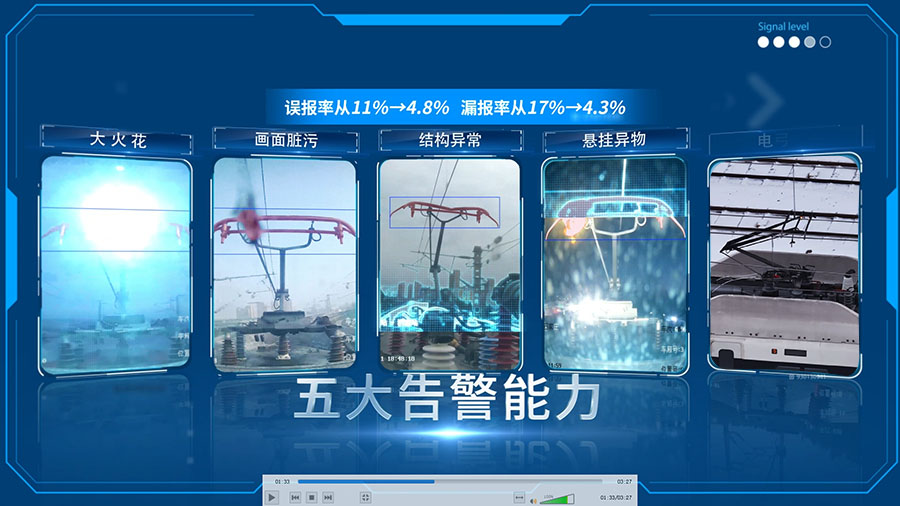
    The pantograph CCTV system includes several key components: a monitoring screen, a pantograph video surveillance server, an intelligent analysis host, a pantograph camera, and a network bus node (carriage controller). The monitoring screen is installed in the monitoring room, while the intelligent analysis host is preferably located in the same carriage as the monitoring screen. A camera is mounted near the pantograph on the roof of the vehicle, and the pantograph video surveillance server is also situated in the same carriage as the camera. This system can share the server with the carriage's video monitoring system. The intelligent analysis host provides real-time monitoring of the camera's pre-set point and features five types of fault identification functions: large sparks, structural abnormalities of the pantograph, tilt, suspended foreign objects, and dirty screens. The analysis function is disabled when not at a pre-set point, and detection parameters are configurable, allowing optimization as software and hardware performance improve.